
Wet Market-Goers, Brace Yourselves!
12 Jul 2016

We must explain to you how all seds this mistakens idea off denouncing pleasures and praising pain was born and I will give you a completed accounts..
Consultation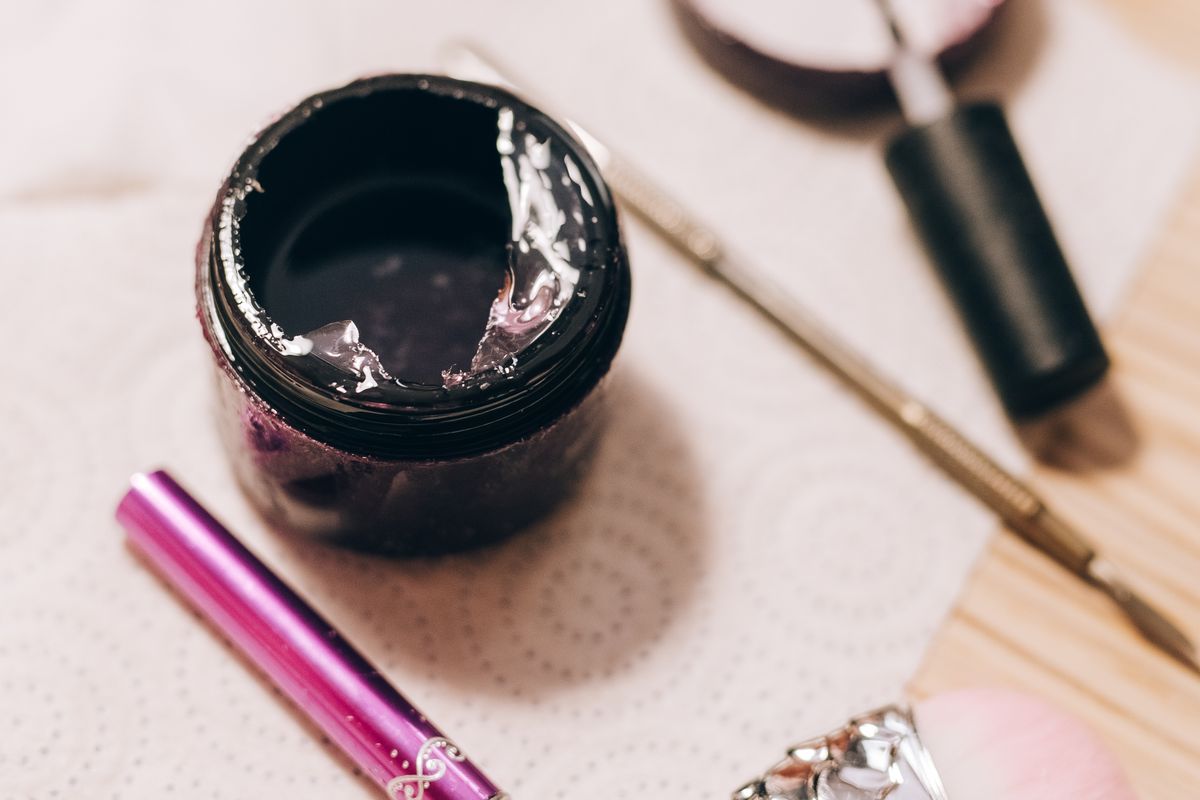
By the time I got the news of Dolly Parton’s passing, it was 7AM MYT 26th August 2026. Almost everywhere, across the world, there were news items on Dolly Parton’s passing and write-ups on her work in retrospect. Whether you just tumbled out of bed, spilled your coffee, or finished a long shift, receiving this news is a heavy way to start or end the day. One thing remains certain across every timezone: dealing with a passing, celebrity or otherwise, is never easy.
Starting out humble, Dolly Parton built a legendary career defined by both sharp, cheeky wit and an enduringly radiant charm. While her public journey drew mixed reactions from some, her cultural impact remains undeniable. Following her recent passing, she leaves behind six surviving siblings out of twelve. Her family has faced successive losses in recent years, with Dolly marking the fifth sibling to pass away since 2018—most recently preceded by her elder brother in July 2026. This close-knit family circle also previously lost Floyd Parton in 2018, whose twin sister Frieda is now 69, and Larry Parton, who passed away as an infant in 1955.
The news was especially poignant for the audience at the "9 to 5" stage musical in Worthing, England. Due to the time difference, theatregoers received the sudden announcement of the death of the original 1980 film's star just before the curtain rose. What was meant to be a casual, lighthearted evening instantly shifted into a deeply touching and sombre experience. Interestingly, Dolly Parton had originally agreed to make her film debut as the blonde, country-girl protagonist on one condition: she had to write the movie's theme song. Given Parton's status, it is no surprise that she later wrote the entire score, including all new music and lyrics, for the 2009 Broadway adaptation.
Irish cast member Karla Tracey announced to the audience that Dolly Parton had passed away. Despite initial gasps of grief, the crowd applauded when Tracey dedicated the performance of 9 to 5: The Musical to Parton's legacy.
Parton’s distinctive voice isn’t always an acquired taste right away. Ironically, Parton herself has always worked far beyond a traditional "9 to 5." Yet, when this twangy classic popped up a few months ago as the background track for a social media video about unusual jobs, I had a total change of heart. It is impossible not to be infected by the song’s catchy beat and playful, action-driven lyrics. In fact, don't be surprised if it becomes the exact motivation you need to jump out of bed and dance your way to work.
The song opens with click-clack sounds, mimicking a typewriter (not your fancy typewriter you’d find these days). Parton, being Parton, created the effect by using her acrylic nails, as she did not have her instruments to back her up during filming. Not long after, the song’s intro transitions into an upbeat driving (signature honky-tonk) piano and brass-heavy instrumental melody before she sings the first line.
Even if your workplace isn't entirely toxic, it's universally exhausting to be taken for granted—especially when a boss only approaches you to "pick your brain" because you’re clearly the most capable one in the room. Parton taps right into this collective frustration. Making use of her iconic Southern twang, she effortlessly injects humour and biting sarcasm into a subject usually bogged down by sterile corporate formality. She sings what we are all thinking, without ever losing her effortless charm.
Parton liked the song’s sound so much, she included the playful liner note credit “Nails by Dolly” on the back of the “9 to 5 and Odd Jobs” album where the song appears. Calling all manicurists, how many times have you been playing this anthem at your nail saloon?
The song, which had plagiarism allegations, has also recently been performed at Buckingham Palace, in memory of Parton’s contributions to music, film, and philanthropy. Back in 1985 when court proceedings took place, Parton brought her guitar to court and demonstrated to the judging panel how she wrote “9 to 5”. After just slightly over half an hour of deliberation, the jury concluded that Parton did not copy the song.
Interestingly, even with some companies adopting semi-flexi/flexi hours, and unless you’ve yet to step into an office before, many of us can gauge the meaning of “9 to 5” because for those of us who are working, we know what life can look like - the morning rush, commuting, office gossip and what not. That’s why Parton’s the Queen.
“9 to 5” was inspired by the lives and struggles of female workers, demanding improved pay and fairer treatment in relation to their male counterparts. Back in the ‘70s, gender inequality was apparent in that female workers encountered sexual harassment and limited opportunities for growth. A group of Boston secretaries formed the grassroots organisation “9to5” in order to demand workplaces that are healthier and more respectful to workers who have demonstrated quality and excellence.
Unfortunately, these systemic issues still persist today, making the song as relatable as ever. For instance, a commenter on an International Labour Organisation (ILO) Facebook post recently noted that women are still paid less than men for work of equal value. Furthermore, the modern rise of workplace communication apps like Slack, WhatsApp, and Discord has created new boundaries to cross. Unless you are fortunate enough to work with a synergistic team, it often takes just one person in an organisation to spark a sexist debate, initiate digital harassment, or cross physical boundaries.
So, go ahead and play “9 to 5” at your own risk. Just make sure your boss isn’t listening to it/reading what’s written here, just in case, (s)/he’s thinking of taking all the credit for this piece of hard work!

Jo Leen now spends her days crafting compelling content for Inkscribehub. She was previously attached to a business intelligence firm.




Showing 0 comments