
Wet Market-Goers, Brace Yourselves!
12 Jul 2016

We must explain to you how all seds this mistakens idea off denouncing pleasures and praising pain was born and I will give you a completed accounts..
Consultation
Take yourself through this stunning, introspective and reflective Indonesian keroncong cover version of I Don’t Love You by alternative rock outfit My Chemical Romance (MCR). With the soothing and calming effect of the instrument, it provides the listener with room to take the lyrics in with ease. This version offers a new way of experiencing pain, nostalgia and being open and candid about one’s relationship and heartbreak – as the anger found in the original version by the Way brothers and company – is toned down.
In the original The Black Parade context, it’s the patient’s reflection of his relationship, which didn’t work out as intended because he came to the realisation that he was toxic, making him push her away, for fear of destroying her. In the original version, by the time there’s closure, the anger, as the most profound emotion throughout the song, still lingers long after the song’s end.
In this keroncong version, where the anger is softened, it is replaced with acceptance, distance, and maturity when dealing with heartbreak. For every lyric to be fleshed out, this version’s sound is cinematic, has a certain elegance and invites the listener to have a more intimate moment to fully experience the tune.
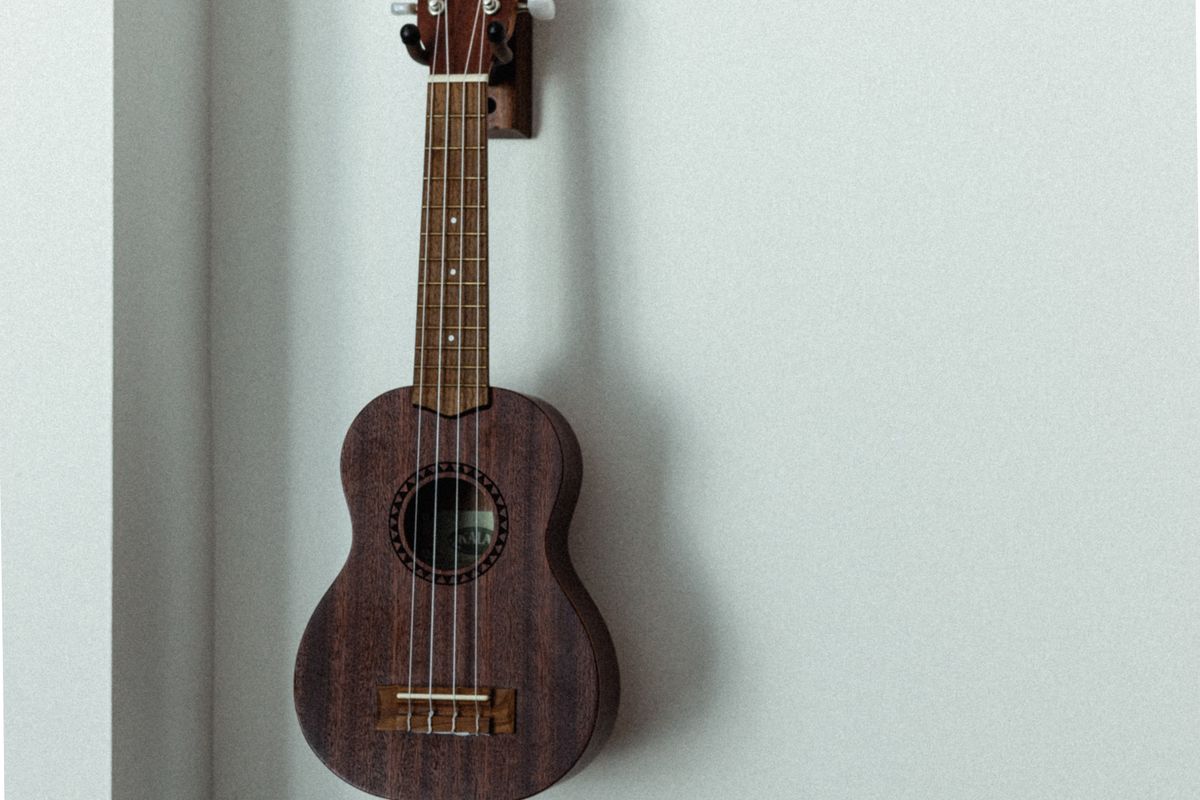
A ukulele-like instrument, keroncong is said to have both Portuguese and Indonesian origins. Back in the 16th century, sailors on Portuguese ships would play mini long-necked guitars and sang songs similar to the Fado, the folk song which has an Arabic pitch. This music spread across the communities of freed Portuguese slaves in areas such as Manado and parts of Jakarta. Later, Manado was included in the map of Indonesia. As time went on, this music took on local Indonesian characteristics, particularly in Central Java’s Solo, where it incorporated elements of the Javanese language and gamelan music.
Towards the end of the 19th century, the instrument found its way to the streets when street musicians had taken an interest in the unique instrument – men or groups of men saw the need of expressing their feelings through protest anthems or in wooing their ideal women partners by singing powerful ballads.
The 1960s saw the keroncong at its peak Today, its popularity has declined and no longer the same as it mainly appeals to the older generation. That said, with the help of social media channels and younger artistes, the keroncong has seen its revival. Though of course, more needs to be done to attract younger players and those who are new to the traditional instrument.
In a keroncong ensemble, an orchestra and a vocalist is/ or a group of vocalists are involved. The core orchestra consists of a flute, violin, two ukuleles, a cello, double bass and guitar. As can be heard from this version, the female vocalist starts off the song, with the male vocalist responding, and the two take turns to do the same, taking their respective lines, expressing them emotively and evocatively to make it gentler, yet more heartfelt than as can be found in the original version, making it worth listening to (even if you’ve to repeatedly listen to it to truly appreciate it). There’s the flute or seruling sound in the background, accompanying the main keroncong instrument, providing for a relaxing, soothing audio experience (without being too shrill or too piercing). The string instruments like the cello and violin can also be heard in this cover version.
Are you all for the keroncong version? Or would you return to the original?
Whatever it is, it’s still Gerard Way’s and MCR’s hard work that paid off and made them where they are today. So, you (and I) have to always acknowledge that. Ultimately, we’ll carry on doing what we know best and what suits our ears and tastebuds.
The Indonesian keroncong version can be found on YouTube via the channel of Arjuna Sembrada. So, if you’re up for a way better experience, why not grab your headphones for something more immersive?
The video has been made available since 9 January 2026.

Jo Leen now spends her days crafting compelling content for Inkscribehub. She was previously attached to a business intelligence firm.



Showing 0 comments